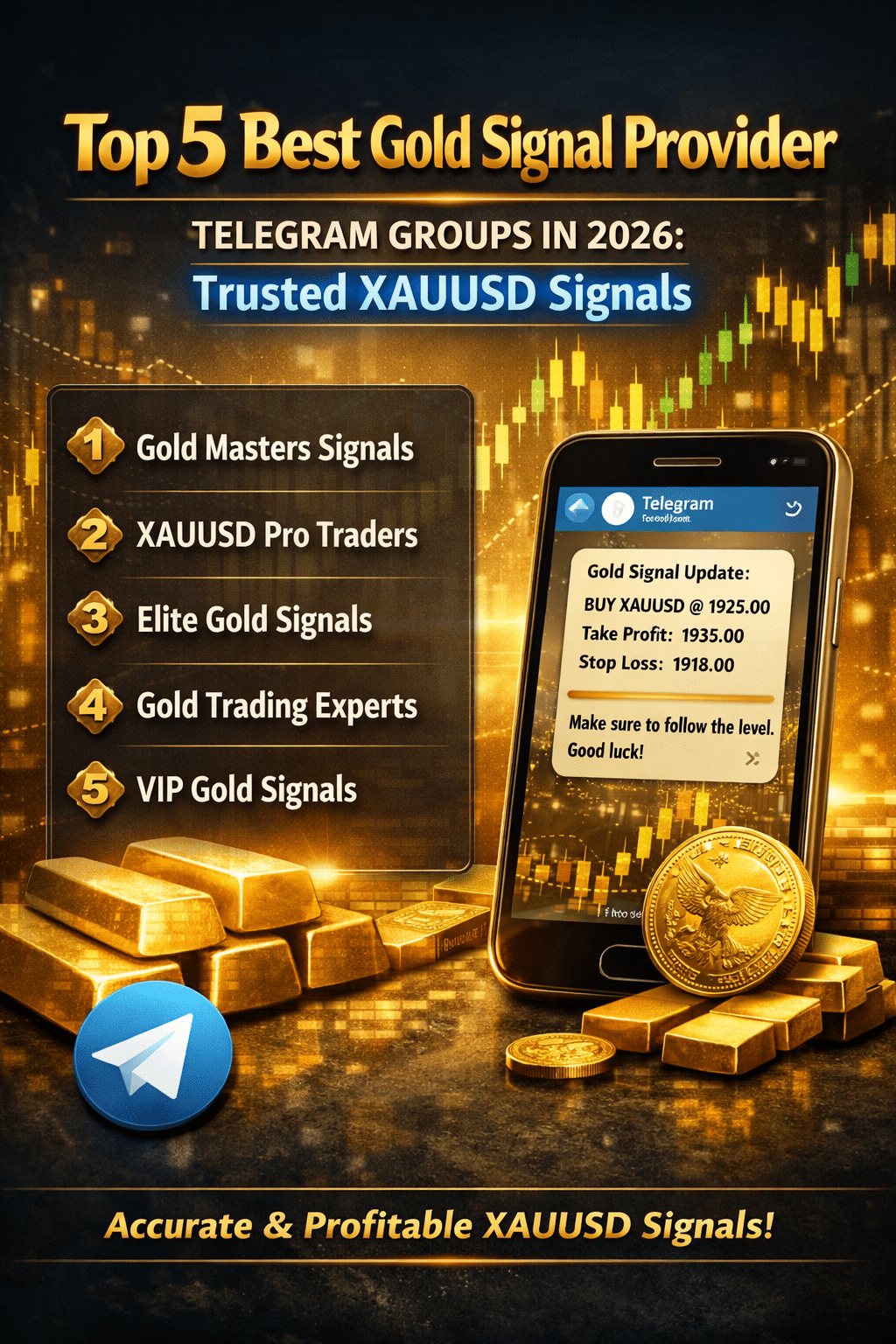
How to read Telegram Forex Signals
Reading Telegram Forex signals effectively can improve your trading outcomes by making the most of the information provided. Here’s a step-by-step guide on how to interpret them:
/stop-loss-trading/
1. Understand Each Component of the Signal
/how-fxpremiere-forex-signals-look/
- Currency Pair: Signals will specify the currency pair (e.g., EUR/USD, USD/JPY). Make sure you’re trading the correct pair.
- Trade Type: Signals usually indicate whether it’s a Buy (Long) or Sell (Short) recommendation.
- Entry Price: This is the recommended price to enter the trade. Some signals include ranges (like 1.1050 - 1.1070), allowing flexibility.
- Take Profit (TP): Target price levels where you can secure profit. There are often multiple TPs (e.g., TP1, TP2), so you can choose to exit at a specific profit level or hold for higher targets.
- Stop Loss (SL): The price level for exiting if the trade goes against you. This is essential to managing risk.
/forex-signals/
2. Example of a Typical Signal
A Telegram signal might look like this:
Pair: EUR/USD
Signal: Buy
Entry: 1.1050
TP1: 1.1100
TP2: 1.1150
SL: 1.1020
Here, the signal suggests buying EUR/USD at around 1.1050 with profit targets at 1.1100 and 1.1150 and a stop loss at 1.1020.
3. Timing and Execution
- Entry Timing: If the entry price range is given, enter the trade when the market price is within this range. Avoid entering if the price has moved far beyond it.
- Set TP and SL: Immediately after entering, set the TP and SL levels to automate your exit and manage risk.
- Monitor for Updates: Some providers issue updates, like adjusting TPs or moving SLs to breakeven. Be ready to adjust your position as needed.
/tag/gold-trading-basics/
4. Signal Terminology
- Market Execution: Enter the trade immediately at the current price.
- Pending Orders: Set a limit or stop order at the entry level specified by the signal if it hasn’t reached that price yet.
- Partial Close: Closing a portion of the trade when a certain TP is hit to secure profit while allowing the rest to run.
5. Practice Caution and Risk Management
- Only risk a small percentage of your capital per trade (e.g., 1-2%) and stick to your trading plan.
- Don’t rely solely on signals without understanding the underlying market conditions.
Following these steps will help you interpret and act on Telegram Forex signals effectively, while managing risk and maximizing profit potential.
/trading-signals-by-fxpremiere-on-us30-and-sp500/
Components of a Forex Signal:
Currency Pair: This tells you which currencies are involved in the trade, like EUR/USD or GBP/JPY.
Action: The recommended action, usually "BUY" or "SELL".
Entry Price: The price at which you should enter the trade. This might be exact or within a certain range.
Take Profit (TP): The price or pips where you should close the trade to secure your profit. Some signals might offer multiple TP levels.
/how-to-read-forex-charts/
Stop Loss (SL): The price or pips where you should close the trade to limit your loss if the trade goes against you.
Lot Size/Risk Management: Sometimes signals suggest how much to trade, often based on risk percentage or lot size.
Time Frame: The timeframe on which the signal is based, which could be crucial for timing your entry.
Analysis: A brief explanation or chart might accompany the signal, providing reasons for the trade based on market analysis.
Steps to Read and Act on a Signal:
Receive the Signal: Ensure you're following or part of a group where these signals are broadcast.
Check the Signal Details: Look at all components. If any information is missing (like SL/TP), that's a red flag.
Verify the Signal:
If possible, cross-check with your analysis or other sources. Not all signals will align with every trader's strategy or current market conditions.
Consider the signal's alignment with your trading strategy, risk tolerance, and current market conditions.
Set Up Your Trade:
Open your trading platform (like MetaTrader 4/5, cTrader, etc.).
Enter the trade at or as close to the entry price as possible. If the market moves too fast, you might need to adjust your entry slightly.
Place Stop Loss and Take Profit:
Set these at the levels suggested by the signal. If you're more conservative or aggressive, you might adjust these slightly.
Monitor the Trade:
Not all signals will result in immediate profit. Monitor the trade's progress but avoid moving your stop loss too early unless your strategy allows for trailing stops.
Review Post-Trade:
After the trade closes (either by hitting TP or SL), review why the signal worked or failed. This helps in learning and adapting for future trades.
Additional Tips:
Risk Management: Never risk more than 1-2% of your trading capital on a single trade unless your strategy specifically accounts for higher risk.
Consistency: If you decide to follow signals, stick to one provider or a set of providers to maintain consistency in trading style and analysis.
Education: Even with signals, understanding forex trading basics, market analysis, and economics can enhance your trading decisions and signal interpretation.
Signal Quality: Look for providers who offer back-tested results, clear performance metrics, and perhaps a trial period or free signals to gauge their effectiveness.
Adaptation: Markets change. If a signal provider's performance drops, be ready to switch or adjust your strategy.
By following these steps and understanding the components of Forex signals, you can effectively incorporate them into your trading routine on Telegram or similar platforms. Always remember, signals should complement, not replace, your trading knowledge and strategy.
Before you join a gold channel, read trader reviews on telegramsignalslive.com.
Risk warning: trading gold, forex, CFDs, indices and crypto involves significant risk of loss. Signals are educational information, not personal financial advice, and past results do not guarantee future performance. FXPremiere is a signal provider, not a broker.